Discover the Whimsical World of Bubble Font and Butterfly Typography
Typography is more than just arranging letters on a page; it is the voice of your visual content. When you choose a typeface, you are setting the tone for the entire message before a single word is read. In the vast library of digital assets available today, certain styles stand out for their ability to evoke specific emotions. Among these, the Bubble Font and Butterfly style has carved a unique niche. It is not merely a collection of characters; it is an artistic statement. Designed with a soft, unique touch, this font brings a sense of wonder and organic beauty to any project it graces.
The Distinctive Character of the Design
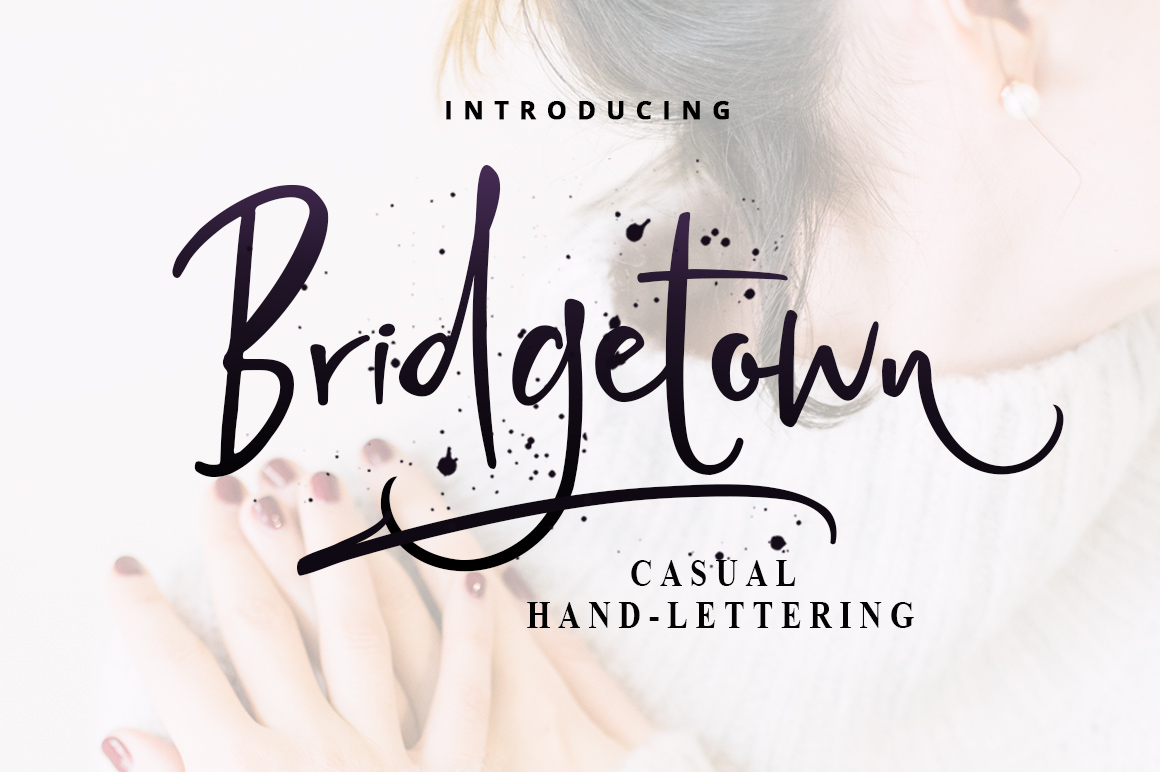
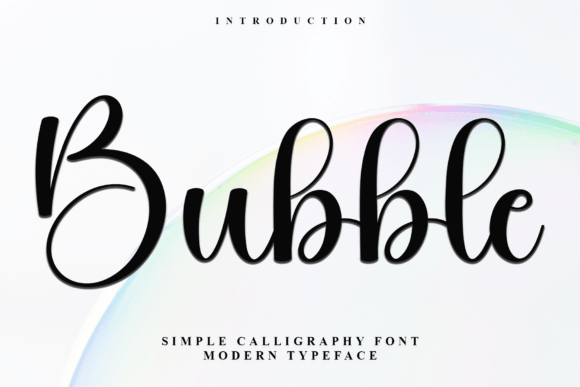
What makes a typeface memorable? Often, it comes down to the details in the strokes and the silhouette of the letters. The Bubble Font and Butterfly typeface excels in this area through its distinctive design elements. The strokes are not rigid or harsh. Instead, they mimic the softness of air-filled bubbles and the delicate flutter of butterfly wings. This combination creates a visual rhythm that is both playful and sophisticated.
The "bubble" aspect suggests roundness and friendliness. It implies that the text is approachable and fun. However, the addition of "butterfly" elements—perhaps integrated into the serifs, the tails of the letters, or the negative space—adds a layer of elegance and nature-inspired beauty. This duality is what gives the font its special character. It allows it to be meaningful in contexts ranging from children’s entertainment to high-end feminine branding. It is versatile enough to adapt to the specific needs of the designer while maintaining its core identity.
Practical Applications in Modern Design
In today’s fast-paced creative environment, versatility is a prized trait. A font that can only be used in one specific scenario has limited value. Bubble Font and Butterfly, however, shines across a broad spectrum of applications. Its utility is not confined to one industry or medium.
Branding and Marketing
For businesses looking to project a friendly, approachable, yet creative image, this font is an excellent choice. Imagine a bakery logo where the letters look like piped icing, or a spa brochure where the text evokes a sense of lightness and tranquility. The Bubble Font and Butterfly style naturally attracts attention without being aggressive. It invites the viewer to look closer, making it effective for headers, logos, and call-to-action buttons.
Crafting and Physical Products
The world of crafting has exploded with the rise of DIY culture and platforms like Etsy. Crafters often seek fonts that translate well to physical materials such as vinyl, paper, and fabric. Because of its smooth curves and clear legibility, this font works beautifully with cutting machines like Cricut or Silhouette. It is perfect for creating custom t-shirts, tote bags, greeting cards, and scrapbooking elements. The organic nature of the design ensures that even if the cutting lines are complex, the final result looks polished and intentional.
Digital Content and Social Media
Social media feeds are crowded. To stand out, content needs to be visually arresting. Using Bubble Font and Butterfly in Instagram stories, YouTube thumbnails, or Pinterest pins can significantly increase engagement. The font adds a decorative flair that standard sans-serifs lack. It conveys personality instantly, helping creators build a recognizable aesthetic that resonates with their audience.
Technical Compatibility and Workflow Integration
A beautiful design is useless if it cannot be integrated into your workflow. One of the strongest advantages of the Bubble Font and Butterfly package is its technical compatibility. It is designed to function seamlessly across various operating systems and applications.
Whether you are working on a Windows PC or utilizing open-source platforms like Linux, you can expect consistent performance. This cross-platform stability is crucial for teams where different members might be using different devices. Furthermore, the font files are typically optimized for popular design software, including Adobe Illustrator, Photoshop, InDesign, and open-source alternatives like GIMP and Inkscape.
This compatibility ensures that the "natural" feel of the font is preserved during rendering. You won't have to worry about jagged edges or missing characters when you switch from your design software to your word processor or website builder. This reliability makes it a practical choice for professionals who value efficiency as much as aesthetics.
Why Choose This Style? Key Considerations
When selecting a font for a project, several factors come into play. It is not just about what looks good in isolation, but what works within the context of the message and the audience.
- Emotional Resonance: The primary reason to choose Bubble Font and Butterfly is the emotion it evokes. If your project requires a sense of whimsy, nature, softness, or creativity, this font hits the mark. It is less suitable for corporate legal documents or technical manuals, but it is unmatched for artistic endeavors.
- Readability vs. Style: There is often a trade-off between decorative fonts and readability. However, well-designed decorative fonts like this one manage to balance both. The letters are spaced correctly, and the shapes are distinct enough to be read quickly, even at smaller sizes or from a distance.
- Target Audience: Understanding your audience is key. This font appeals strongly to younger demographics, parents, artists, and anyone with an appreciation for nature or cute aesthetics. It creates an immediate connection with these groups, signaling that the content inside is likely to be relevant to their interests.
Enhancing Visual Hierarchy
Good design relies on visual hierarchy—guiding the viewer's eye to the most important information first. Bubble Font and Butterfly is an excellent tool for establishing this hierarchy. Because of its unique texture and weight, it commands attention. It should generally be used for display text, such as titles, headers, or short phrases where impact is required.
Pairing this font with a simple, clean sans-serif for body text is a recommended strategy. This contrast allows the decorative elements of the Bubble Font and Butterfly to stand out without overwhelming the reader. For example, using the butterfly style for a book title and a clean font for the chapter text creates a balanced, professional look that is easy on the eyes.
The Future of Creative Typography
As design trends evolve, we see a recurring appreciation for handmade and organic aesthetics. In a digital world that can sometimes feel cold and sterile, fonts that mimic natural forms provide a warm antidote. The Bubble Font and Butterfly style fits perfectly into this trend. It represents a bridge between digital precision and the irregular beauty of nature.
It is a font that tells a story. It suggests that the creator cares about the details and wants to offer an experience, not just information. Whether you are designing a wedding invitation, a logo for a new startup, or a header for a personal blog, this typography adds a layer of depth and personality that generic fonts simply cannot provide.
Final Thoughts on Versatility
The true test of a typeface is its ability to be used in "future use" scenarios—projects that haven't even been conceived yet. Because Bubble Font and Butterfly is rooted in universal concepts of softness and nature, it remains relevant regardless of shifting fads. It is a versatile asset in any designer's toolkit.
From the screen to the printed page, from digital ads to physical merchandise, its adaptability is proven. It enhances the visual appeal of products, making them more attractive to a diverse range of audiences. If you are looking to inject some life, creativity, and organic charm into your next project, exploring the possibilities of this distinctive font style is a step in the right direction. It transforms simple text into a visual delight.